






An Introduction to Security for Expenses Simply put: A temporary cash deposit while building works are carried out to a party wall.
Security for expenses in Party Wall matters is a way to protect both the person doing the building work and their neighbour by setting funds aside in a secure account.
Overview of the Party Wall Act and Security for Expenses
The Party Wall etc. Act 1996 (‘Party Wall Act’) exists to protect building owners when a neighbour carries out work on or near a shared wall or boundary. Section 12 of this Act allows either the building owner or the adjoining owner to request a sum of money—known as ‘Security for Expenses’—to be put aside in case damage is caused, or if the works remain unfinished.
If you plan to carry out building works, your neighbour may require you to deposit these funds. Equally, if your neighbour insists you do additional work that you must partly finance, you can request they provide security too. This money is usually held in a separate, ring-fenced bank account until the surveyors on both sides confirm the work is complete and meets the necessary standards.
Who Holds Security?
The Act does not specify who should hold the funds or how. It simply says you and your neighbour must agree on acceptable arrangements for security. Many opt to use an escrow service like this Scheme. Solicitors sometimes hold these funds, but professional rules mean they can only do so in certain circumstances. Companies authorised by the Financial Conduct Authority (‘FCA’) can hold escrow funds specifically for this purpose.
How Security for Expenses Escrow Works
- Surveyors agree the sum: Each owner appoints a surveyor, who then work out how much should be deposited and where.
- Escrow vs. Non-Negligence Insurance: A typical home insurance policy usually covers negligent damage, but some harm can occur without negligence. Non-negligence insurance covers this, but it may have limitations. Security for Expenses provides extra protection beyond or instead of insurance.
- Set up the account: After straightforward compliance checks, the escrow provider creates an account. The parties sign an Escrow Agreement (often in a standard form) to lay out the terms.
- Deposit the funds: When work is about to start, the agreed amount is placed in the escrow account. Everyone, including surveyors, can track these funds.
- Release on completion: When the surveyors confirm the work is complete and satisfactory, the funds go back to the person who deposited them.
Featured articles and news
Increased vigilance on VAT Domestic Reverse Charge

HMRC bearing down with increasing force on construction consultant says.
Call for greater recognition of professional standards

Chartered bodies representing more than 1.5 million individuals have written to the UK Government.
Cutting carbon, cost and risk in estate management

Lessons from Cardiff Met’s “Halve the Half” initiative.
Inspiring the next generation to fulfil an electrified future

Technical Manager at ECA on the importance of engagement between industry and education.
Repairing historic stone and slate roofs
The need for a code of practice and technical advice note.
Environmental compliance; a checklist for 2026

Legislative changes, policy shifts, phased rollouts, and compliance updates to be aware of.
UKCW London to tackle sector’s most pressing issues

AI and skills development, ecology and the environment, policy and planning and more.
Managing building safety risks

Across an existing residential portfolio; a client's perspective.

ECA support for Gate Safe’s Safe School Gates Campaign.
Core construction skills explained

Preparing for a career in construction.
Retrofitting for resilience with the Leicester Resilience Hub

Community-serving facilities, enhanced as support and essential services for climate-related disruptions.

Some of the articles relating to water, here to browse. Any missing?

Recognisable Gothic characters, designed to dramatically spout water away from buildings.
A case study and a warning to would-be developers
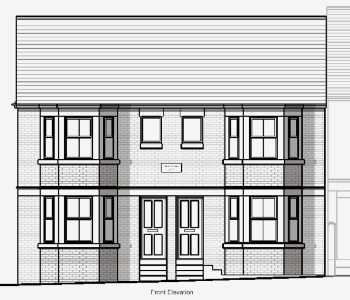
Creating four dwellings... after half a century of doing this job, why, oh why, is it so difficult?
Reform of the fire engineering profession
Fire Engineers Advisory Panel: Authoritative Statement, reactions and next steps.
Restoration and renewal of the Palace of Westminster
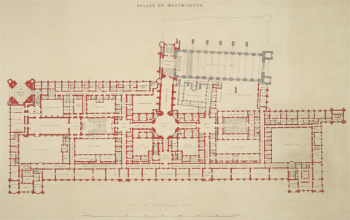
A complex project of cultural significance from full decant to EMI, opportunities and a potential a way forward.
Apprenticeships and the responsibility we share

Perspectives from the CIOB President as National Apprentice Week comes to a close.